Your Digestion is More Than What You Eat
Your Digestion Depends on More Than What You Eat
“Gut health” has become one of those wellness phrases that seems to be everywhere. Probiotics, greens powders, digestive enzymes, gut resets...there is always something being sold as the answer.
But digestion is much more than taking a probiotic.
Your digestive system has to break down food, absorb nutrients, move waste through the body, and communicate with your nervous system, immune system, and brain along the way. That means eating the most nutrient-dense diet in the world only gets us part of the way there.
You are not just what you eat. What you digest and absorb matters too.
Your Gut and Brain Are Constantly Communicating
The digestive system and brain communicate through what’s known as the gut-brain axis, using the nervous system, hormones, immune signals, and compounds produced by our gut microbes.
You may have heard that most of the body’s serotonin is produced in the gut. That’s true, but there’s an important distinction: serotonin produced in the digestive tract primarily has local roles, including helping regulate intestinal function, and it does not simply travel from your gut into your brain.
The bigger takeaway is that digestion and the nervous system are closely connected.
Stress can affect appetite, stomach emptying, intestinal movement, and how we experience digestive symptoms. That doesn’t mean digestion completely “shuts off” whenever we’re stressed, but it does help explain why rushing through lunch at your desk can feel very different from sitting down and eating the exact same meal slowly.
The how of eating matters too.
Start Digestion Before the First Bite
Digestion actually begins before food reaches your stomach. Seeing, smelling, thinking about, and tasting food helps prepare the digestive system for what’s coming. Then chewing begins the physical breakdown of food while saliva starts the digestive process.
This is one reason one of my favorite digestion recommendations sounds almost too simple:
Sit down, reflect and actually eat.
Not every meal will happen at a beautiful table with no distractions. Real life happens. But when you can, give yourself a few minutes to shift from rushing to eating.
Take a breath. Put the phone down. Notice your food...the aroma, the textures, the colors. Chew.
Simple? Absolutely.
Unimportant? Not at all.
A Few Habits That May Support Better Digestion
Slow Down and Chew Your Food
You don’t need to count 30 chews every time you take a bite. Instead, notice whether you tend to inhale your food.
Chewing thoroughly physically breaks food into smaller pieces and mixes it with saliva before it moves into the stomach. Try putting your fork down occasionally or simply making the first few minutes of your meal more intentional.
Give Your Body Enough Fluid
Hydration supports normal bowel function and helps keep stool easier to pass. There’s no need to avoid water with meals because you’re afraid of “diluting stomach acid.” A few sips, or even a glass of water with your meal, is perfectly reasonable for most people.
The bigger question is whether you’re consistently drinking enough throughout the day.
Include Fiber and Plant Variety
Different plant foods provide different fibers and compounds that can support a diverse gut microbiome. Vegetables, fruit, legumes, whole grains, nuts, seeds, herbs, and spices all count.
You may have seen the “30 plants a week” goal on social media. It comes from observational microbiome research and can be a fun way to encourage variety, but it isn’t a magic threshold everyone needs to reach.
Start smaller. Work your way up.
Could you add one plant food this week that you don’t normally eat?
That might be a new vegetable, berries with breakfast, chia seeds in oatmeal, beans added to soup, or fresh herbs on dinner.
Pay Attention to Meal Patterns
There isn’t one perfect eating schedule for everyone, but regularly getting so busy that you barely eat all day and then arrive at dinner ravenous may not leave you feeling your best. This USED to be me.
Notice your own patterns. How do you feel when meals are more consistent? What happens to your digestion when dinner becomes enormous because you’ve under-eaten all day?
This is exactly why I love a Food & Mood Journal. It gives us information we can actually use.
What happened before the symptom showed up?
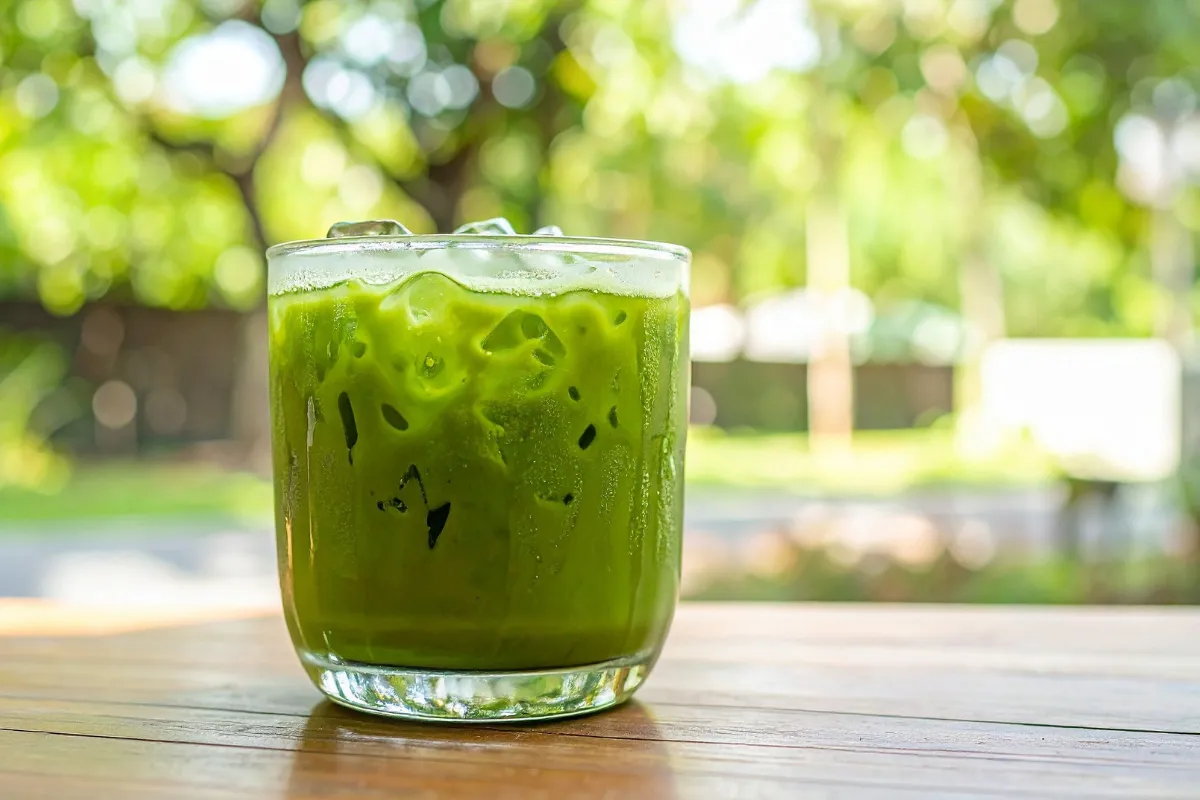
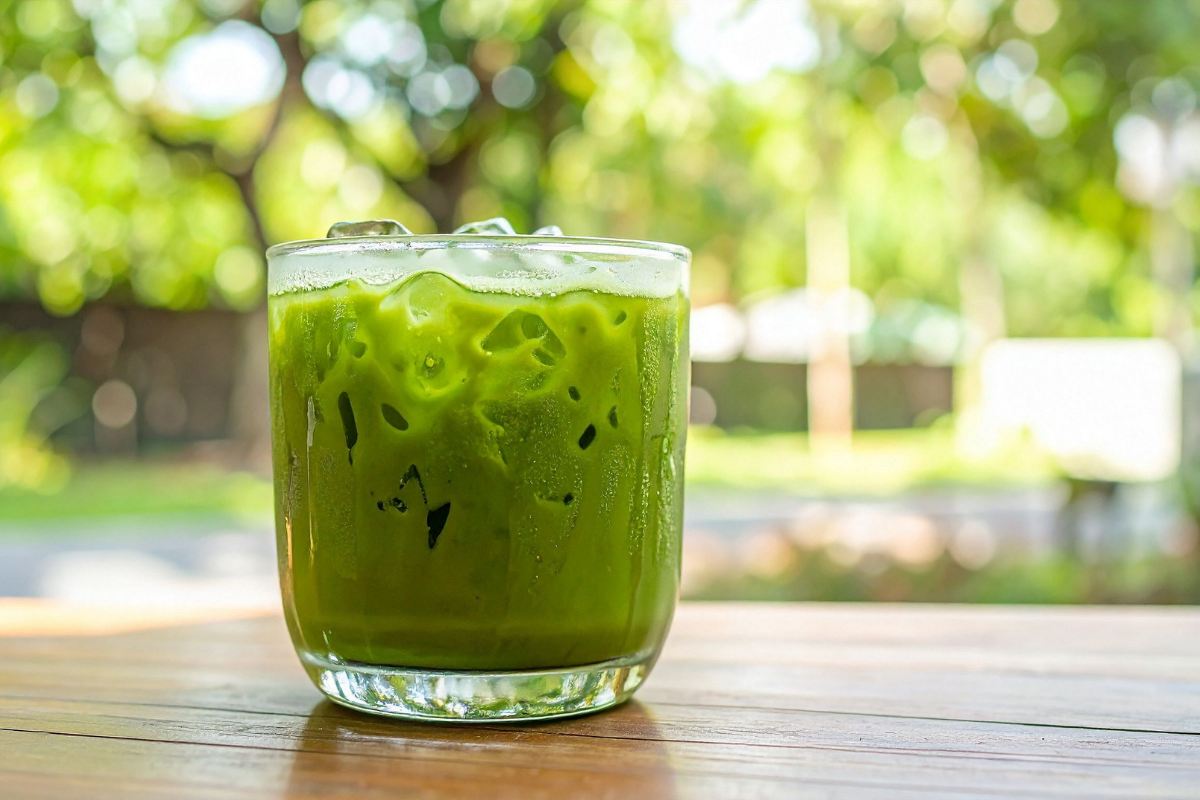
A Gut-Friendly Green Smoothie
This smoothie brings together fiber, plant variety, and protein in an easy meal or snack.
Ingredients
1 cup plain kefir or unsweetened milk of choice
1 cup fresh spinach
½ banana or ½ cup frozen mango
1 tablespoon chia seeds or ground flaxseed
½ teaspoon fresh grated ginger
1 scoop protein powder
Squeeze of fresh lemon
Ice as needed
Directions
Blend until smooth and enjoy.
If you tolerate fermented dairy, kefir can provide live cultures along with protein and other nutrients. Chia or flax adds fiber, fruit and spinach add plant variety, and ginger is an easy way to add flavor and another plant to the mix.
If you’re using this as a full breakfast rather than a snack, make sure the protein powder you choose provides enough protein to make the meal satisfying.
And no, you don’t have to “chew” your smoothie 30 times. 😄 But drinking it slowly rather than gulping it on the way out the door is still a good opportunity to be more intentional around eating.
Digestion Is One Piece of a Bigger Picture
Digestion doesn’t exist in isolation. Stress can influence digestion. Sleep can influence appetite and food choices. The foods we eat influence our microbiome. Hydration influences bowel function. Movement can support normal gastrointestinal motility.
That interconnectedness is exactly why I believe in looking at the foundations together rather than chasing one symptom at a time.
You also don’t need six new supplements and a “gut reset” to begin.
Sit down for one meal. Slow down. Add a little more plant variety. Drink your water. Pay attention to how different meals leave you feeling.
Small changes give us information. Information gives us a purposeful place to start.
One step. One layer. One foundation at a time.