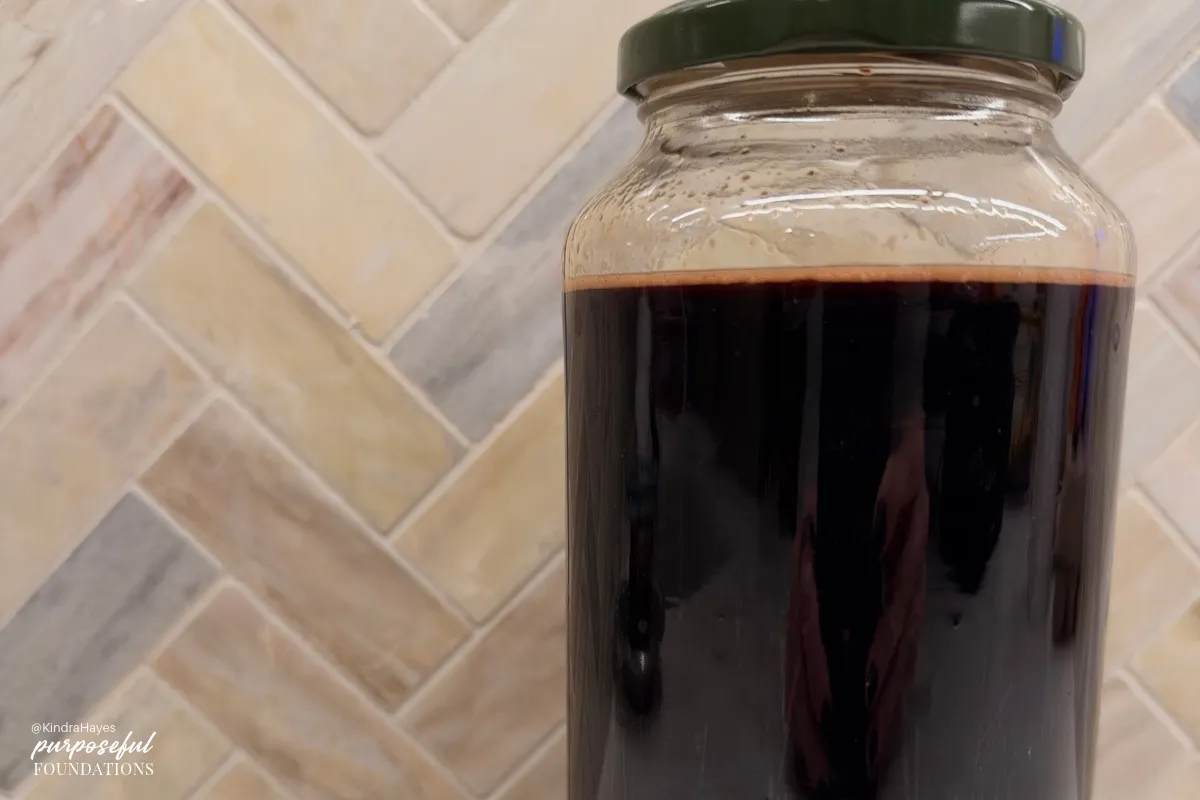
Homemade Elderberry Syrup and 8 Simple Habits for Seasonal Wellness
A fall tradition worth keeping
When my kids were growing up, I made elderberry syrup every fall. I'd stir it into their kombucha smoothies, spoon it over yogurt, or hand them a spoonful in the morning. I found the original recipe online years ago, then swapped ginger oil for a fresh nub of ginger. The smell alone could convince you it was officially fall.
I still love traditions that make the kitchen feel cozy. But I also like knowing what the research actually supports. Elderberry has a long history of traditional use; the evidence that homemade elderberry syrup prevents illness is limited. I treat it as a seasonal food tradition, alongside the daily habits that support general health.
The homemade elderberry syrup recipe
Ingredients: 1 cup dried food-grade black elderberries from a reputable supplier; 4 cups filtered water; 1 small nub of fresh ginger, sliced; 1 cup honey; optional 1 cinnamon stick and 1/4 teaspoon ground cloves.
Bring berries, water, ginger and optional culinary spices to a boil; reduce to a steady simmer for about 45–60 minutes, reducing the liquid by roughly half.
Carefully strain through a fine-mesh strainer. Discard all solids.
Allow liquid to cool until warm; stir in honey.
Transfer to a clean container and refrigerate promptly. For longer storage, freeze small portions.
Important: Raw or improperly prepared elderberries and other plant parts can cause illness. Use correctly identified food-grade black elderberries and cook thoroughly. Honey must never be given to infants under 12 months. This syrup is not a proven treatment or prevention for infection. Seek individualized medical advice for children, pregnancy, breastfeeding, or medication interactions.
A few cozy herbal teas
Ginger: steep sliced fresh ginger in hot water, with lemon or honey if you like.
Nettle: earthy, traditional herbal tea; its safety and suitability depend on the person.
Chamomile: a comforting evening ritual, although a cup of tea isn't a treatment for insomnia.
Marshmallow root: traditionally used in soothing herbal preparations; ask about potential medication interactions and timing.
Herbal products can interact with medications and may not be appropriate during pregnancy or breastfeeding.
Eight weeks of small habits
Over our Immune Priming Series we explored hydration, digestion and gut health, added sugar, sleep, nourishing broths, daily movement, vitamin D, and herbal comfort.
You don't need to do eight new things tomorrow. Maybe you've started drinking more water. Maybe you eat breakfast before your second coffee. Maybe you've discovered that a ten-minute walk is realistic even on a packed day.
Pick what works. Notice what doesn't. Give the habit enough time to become part of your life. And when persistent symptoms are interfering with daily life, don't assume it's all stress or hormones; bring them to your healthcare professional.
Keep building your foundations
I share practical midlife wellness ideas in my weekly email. Join here: https://kindrahayes.myflodesk.com/subscribe