Recovery Took Away My Quick Grabs
Recovery Took Away My Quick Grabs. My Gut Thanked Me for It.
I recently had a prophylactic mastectomy due to an ATM gene mutation. Recovery has a funny way of stripping your routine down to almost nothing. No quick grab of protein egg bites on my way out the door. No fast stop at the sub shop between errands. For a couple of weeks, home cooking wasn't a wellness choice. It was simply what I had access to.
I've been home, healing, and cooking almost everything from scratch out of necessity. And I noticed something I wasn't expecting.
Not to be TMI, but even with anesthesia and antibiotics on board, both of which can affect digestion in different ways, my system stayed regular throughout recovery. I know that's not a given. Antibiotics can be especially disruptive to the gut microbiome, so I was intentional about nourishing myself well, staying hydrated, and keeping heavily processed, high-sugar foods from becoming the foundation of what I was eating.
Home cooking, by necessity, became a foundation.
What started as “this is just what's easiest right now” ended up being one of the clearest reminders I've had of how directly what's on my plate can influence how I feel.
No experiment. No tracking.
Just more whole foods, more fiber, more protein, fewer heavily processed ingredients, and a digestive system that stayed surprisingly steady during a season when I expected the opposite.
Why this matters for immune health
A large portion of the body's immune activity is associated with the gastrointestinal tract, which is one reason gut health and immune health are so closely connected.
That doesn't mean one food strengthens immunity or one sugary treat weakens it. The bigger picture matters.
A diet built mostly around whole, nutrient-dense foods tends to provide more fiber, vitamins, minerals, protein, and plant compounds that support the gut microbiome and normal immune function. Heavily processed foods, on the other hand, are often lower in fiber and easier to let crowd those foods out when they become the majority of what we're eating.
That's one of the things I appreciate about home cooking. You get to decide what makes up the foundation of the meal.
More real ingredients. More plant variety. More fiber. More opportunity to nourish.
A foundation, not a restriction
This isn't about making a list of foods you can no longer eat.
Instead of asking, “What should I stop eating?” try asking:
“What could I add that would better nourish my body?”
Add a vegetable before you remove a snack. Add protein at breakfast before you swear off sugar. Add fruit, herbs, beans, nuts, seeds, or another whole food to something you're already eating.
Build the plate before you shrink it.
When we focus on adding nourishment, some of the less-nourishing choices often take up less space naturally.
Easy swaps, no shame required
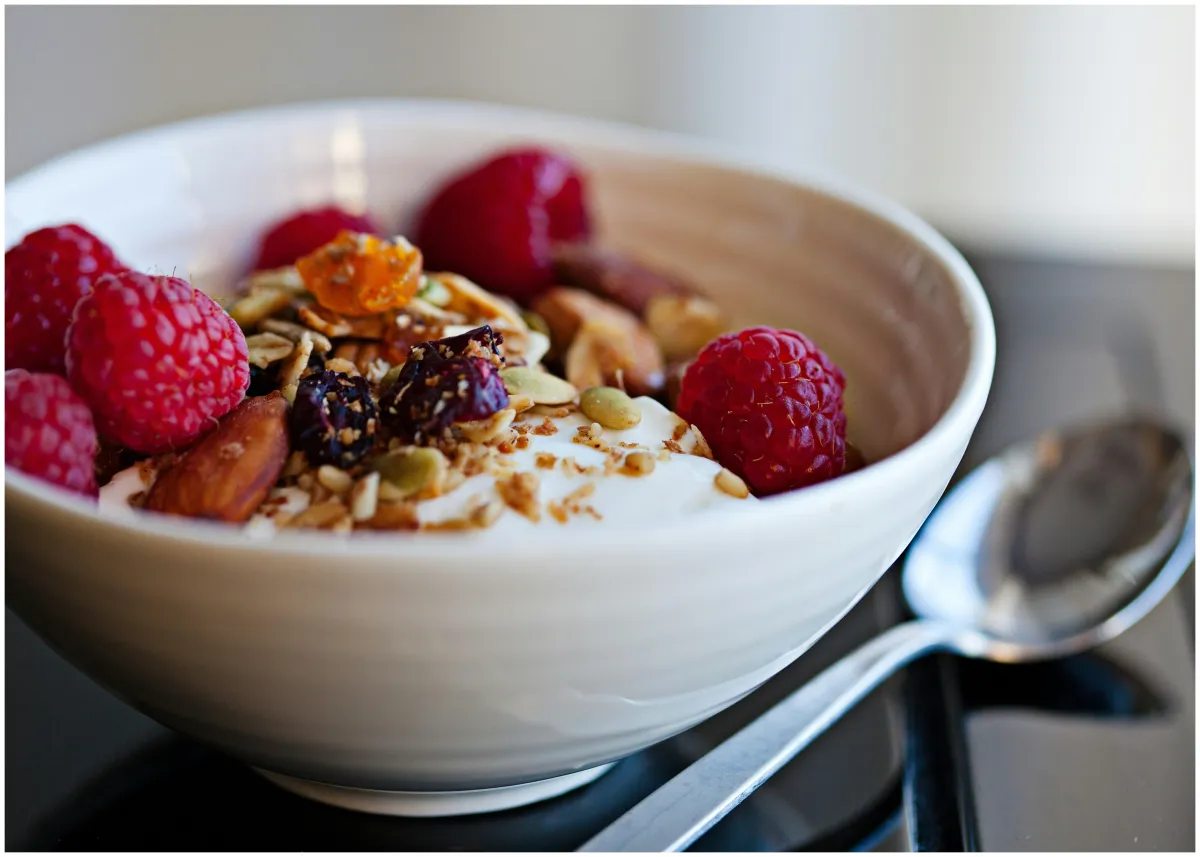
Flavored yogurt cups → Plain yogurt + fresh fruit
Store-bought granola bars → Nuts, seeds, or homemade energy bites
Bottled salad dressing → Olive oil + vinegar + herbs
Sugary fall drinks & treats → Make a version at home where you control the ingredients and sweetness
And one more thing worth saying out loud as we head deeper into fall:
Pumpkin spice doesn't automatically mean “healthy.”
Sometimes “healthy” seasonal marketing is just sugar wearing a cinnamon costume.
Seasonal marketing is good at making foods sound wholesome simply because they contain pumpkin, cinnamon, or words like natural and protein. Flip the package over and look at what you're actually getting.
Enjoy the fall treat if you want it.
Just don't let the cinnamon costume make the decision for you. 😄
Recovery reminded me that the basics still matter. Home-cooked food isn't magical, and packaged food isn't automatically bad. But when more of my meals came from simple ingredients I chose myself, nourishing my body well became easier without requiring a complicated plan.
Foundations first. One purposeful choice at a time.